
TRAINING · 5 min read ·
Weighted Dips & Pull-Ups: How to Use a Dip Belt
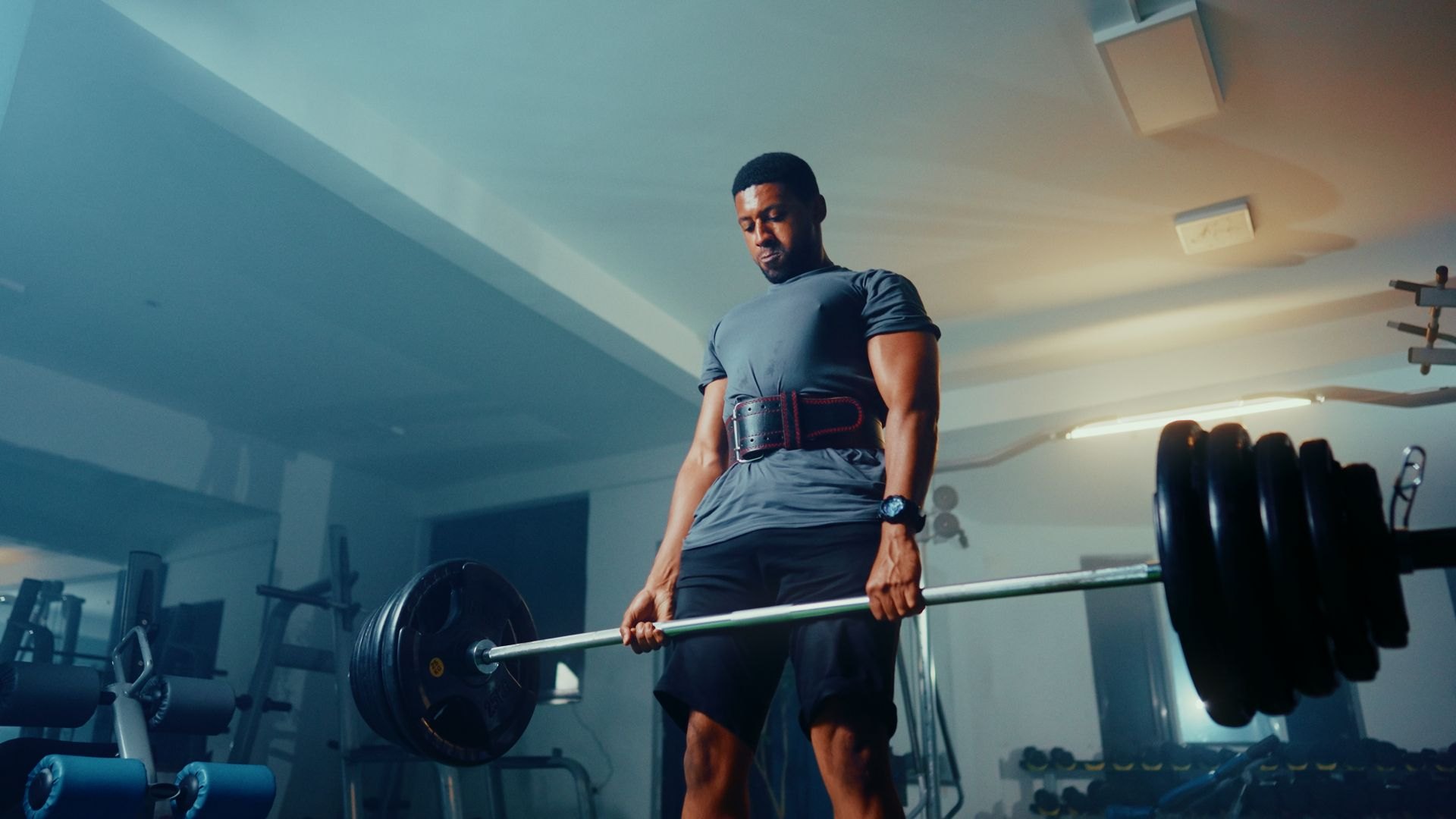
Once bodyweight dips and pull-ups start to feel easy, the next step is adding load. A dip belt lets you hang plates or a kettlebell from your hips so you can keep progressing on two of the best upper-body movements.
When to start adding weight
A common rule of thumb: be able to do clean, controlled sets of around 8–10 bodyweight reps first, through a full range of motion. If your form breaks down, stay at bodyweight a little longer.
How to set up a dip belt
- Wrap the belt around your hips, not your waist.
- Thread the chain through the plate or kettlebell handle and clip it back to the belt.
- Adjust the chain so the weight hangs between your legs without hitting the bench or your knees.
- Step up onto the dip bars or grab the pull-up bar before letting the weight hang.
Start light
Start with a small plate — even 2.5 kg or 5 kg feels different from bodyweight. Keep the movement slow and controlled, especially at the bottom of the dip.
Simple ways to progress
- Add reps first: build from 5 reps to 8 at the same weight, then add a little load.
- Keep sets to a weight you can control with full range of motion.
- Use bodyweight back-off sets after your weighted sets for extra volume.
Form reminders
- Dips: shoulders down and back, lean slightly forward, lower only as deep as your shoulders comfortably allow.
- Pull-ups: start from a dead hang, pull your chest towards the bar, avoid swinging the weight.
Why use a proper dip belt
The FIT KULTURE Weighted Dip Belt is built for dips, pull-ups and chin-ups — heavy-duty construction designed for progressive overload. Pair it with lifting grips or straps on heavy pull days if grip is your limit.
If you have any injury or shoulder pain, speak to a qualified professional before adding load.
SHOP THE ARTICLE