
TRAINING · 14 min read ·
The Arnold Split: Complete 6-Day Chest, Back, Shoulders, Arms & Legs Workout Guide
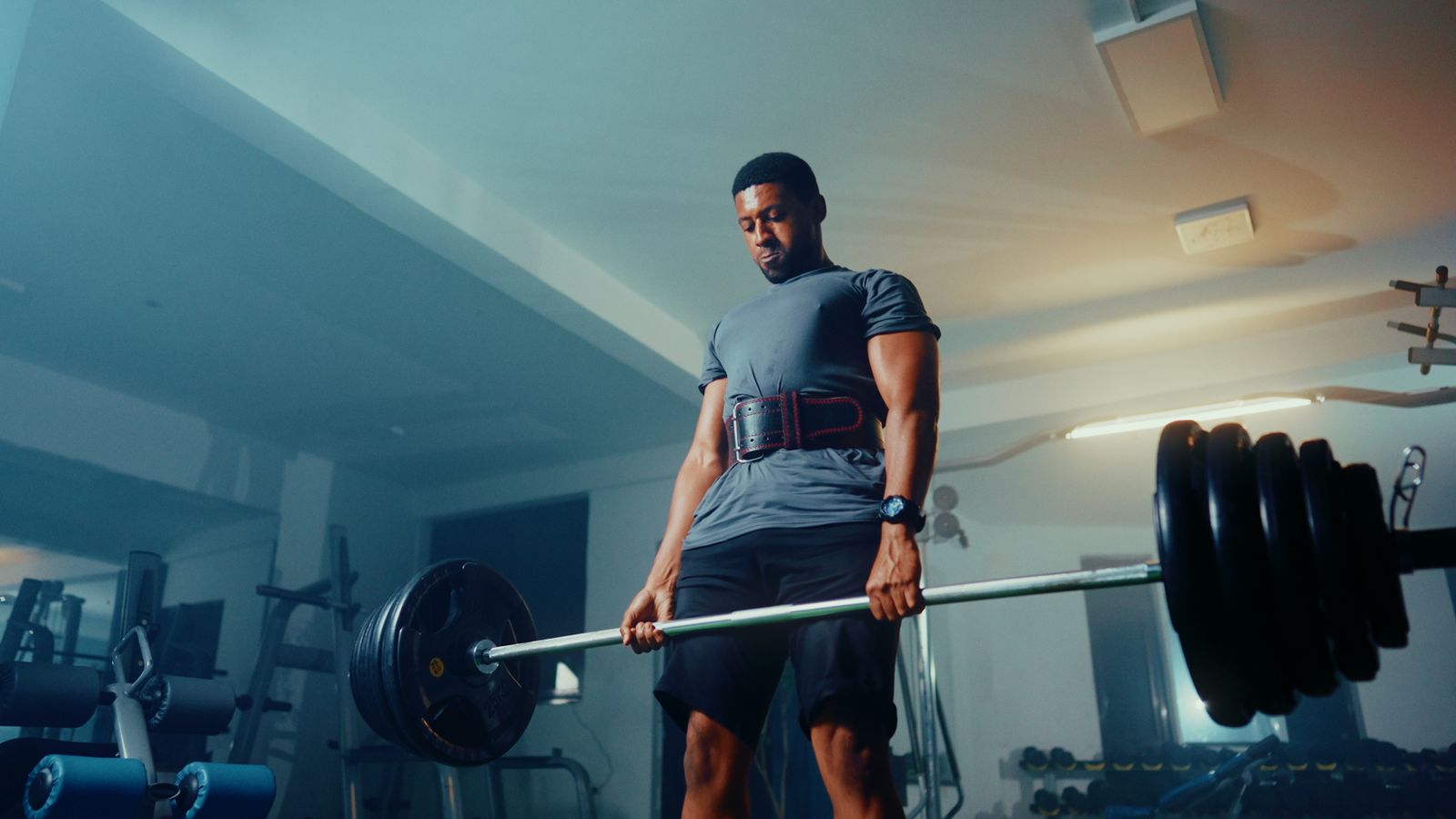
Few names in bodybuilding are as recognisable as Arnold Schwarzenegger. A seven-time Mr. Olympia winner, Arnold became famous for his dedication to training, high-volume workouts and commitment to developing a balanced physique. One of the best-known training structures associated with his career is the Arnold Split — a six-day routine that trains each major muscle group twice a week.
The Arnold Split: build muscle the old-school way
Unlike conventional programmes that target each muscle group once per week, this split trains major muscle groups twice weekly. The structure is straightforward:
- Monday: Chest & Back A
- Tuesday: Shoulders & Arms A
- Wednesday: Legs & Abs A
- Thursday: Chest & Back B
- Friday: Shoulders & Arms B
- Saturday: Legs & Abs B
- Sunday: Rest & Recovery
This guide presents a modern Arnold-inspired variation. Arnold’s own training changed throughout his career, so it should not be read as his exact historical workout. The A and B sessions use different exercises and angles to develop strength, muscle size and symmetry. Prefer fewer training days? See our 5-day hypertrophy split.
Monday — Chest & Back A
Focus: heavy compound movements, chest development and back thickness.
| Exercise | Sets | Reps |
|---|---|---|
| Flat Barbell Bench Press | 4 | 6–10 |
| Incline Dumbbell Press | 3 | 8–12 |
| Flat Dumbbell Flyes | 3 | 10–12 |
| Wide-Grip Pull-Ups | 4 | 8–12 |
| Bent-Over Barbell Rows | 4 | 8–10 |
| T-Bar Rows | 3 | 10–12 |
| Dumbbell Pullovers | 3 | 12 |
FITKULTURE training essentials
On demanding pulls such as barbell rows and T-bar rows, your grip often tires before your back does. Deadlift straps help stop grip fatigue from limiting back training, while lifting grips are an alternative many lifters prefer for pulling movements. For heavy rows where extra bracing is useful, the leather lifting belt is an optional addition.


Tuesday — Shoulders & Arms A
Focus: heavy shoulder pressing, biceps and triceps.
| Exercise | Sets | Reps |
|---|---|---|
| Seated Barbell Shoulder Press | 4 | 6–10 |
| Dumbbell Lateral Raises | 4 | 12–15 |
| Bent-Over Rear Delt Raises | 3 | 12–15 |
| Barbell Bicep Curls | 4 | 8–10 |
| Incline Dumbbell Curls | 3 | 10–12 |
| Close-Grip Bench Press | 3 | 8–10 |
| Lying Tricep Extensions | 3 | 10–12 |
| Wrist Curls | 3 | 15 |
FITKULTURE training essentials
Wrist wraps add support during demanding presses, including shoulder presses and close-grip bench presses. For lifters who prefer palm protection and grip comfort, training gloves are a matter of personal preference.


Wednesday — Legs & Abs A
Focus: quad development, compound leg training and core strength.
| Exercise | Sets | Reps |
|---|---|---|
| Barbell Squats | 4 | 8–10 |
| Leg Press | 4 | 10–12 |
| Leg Extensions | 3 | 12–15 |
| Romanian Deadlifts | 3 | 8–12 |
| Lying Leg Curls | 3 | 10–12 |
| Standing Calf Raises | 4 | 15–20 |
| Hanging Leg Raises | 3 | 15 |
FITKULTURE training essentials
A properly fitted lifting belt gives you a surface to brace against during heavy compound lifts. The 10mm lever belt is 4" wide with a quick-release lever buckle. 7mm neoprene knee sleeves provide warmth, compression and comfort during squats and leg presses, and straps are an option for Romanian deadlifts.
Belts and sleeves do not replace proper technique and do not guarantee injury prevention. Read how to choose a lifting belt for sizing help.


Thursday — Chest & Back B
Focus: upper chest, back width and different movement angles.
| Exercise | Sets | Reps |
|---|---|---|
| Incline Barbell Bench Press | 4 | 8–10 |
| Flat Dumbbell Press | 3 | 10–12 |
| Cable Crossovers | 3 | 12–15 |
| Chest Dips | 3 | 8–12 |
| Close-Grip Lat Pulldowns | 4 | 10–12 |
| Seated Cable Rows | 3 | 10–12 |
| One-Arm Dumbbell Rows | 3 | 10–12 |
| Straight-Arm Pulldowns | 3 | 12–15 |
FITKULTURE training essentials
Once bodyweight dips feel controlled across all your sets, the weighted dip belt lets you progress by adding resistance. It features a reinforced daisy chain strap, wide padded back support and durable metal attachments. Learn more in our guide to weighted dips and pull-ups.

Friday — Shoulders & Arms B
Focus: shoulder isolation, arm development and controlled repetitions.
| Exercise | Sets | Reps |
|---|---|---|
| Arnold Dumbbell Press | 4 | 8–12 |
| Cable Lateral Raises | 3 | 12–15 |
| Reverse Pec Deck | 3 | 12–15 |
| Dumbbell Shrugs | 3 | 12–15 |
| Preacher Curls | 3 | 10–12 |
| Concentration Curls | 3 | 12 |
| Hammer Curls | 3 | 10–12 |
| Overhead Dumbbell Tricep Extensions | 3 | 10–12 |
| Rope Tricep Pushdowns | 3 | 12–15 |
| Reverse Wrist Curls | 3 | 15 |
FITKULTURE training essentials
Use wrist wraps for pressing, straps as an option for heavy dumbbell shrugs, and gloves for comfort on dumbbell and cable work.
Saturday — Legs & Abs B
Focus: hamstrings, glutes, calves and overall leg development.
| Exercise | Sets | Reps |
|---|---|---|
| Hack Squats | 4 | 10–12 |
| Bulgarian Split Squats | 3 | 10 each leg |
| Seated Leg Curls | 4 | 10–12 |
| Stiff-Leg Deadlifts | 3 | 8–12 |
| Walking Lunges | 3 | 12 each leg |
| Seated Calf Raises | 4 | 15–20 |
| Donkey Calf Raises | 3 | 15–20 |
| Cable Crunches | 3 | 15 |
| Reverse Crunches | 3 | 15 |
FITKULTURE training essentials
Wear knee sleeves for leg training, use the leather belt or lever belt for appropriate heavy compound lifts, and add straps for stiff-leg deadlifts when grip becomes the limit.
Sunday — Rest & Recovery
Muscle growth depends on training stimulus, nutrition and recovery.
- Aim for 7–9 hours of quality sleep.
- Eat sufficient protein throughout the day.
- Stay hydrated.
- Take extra rest days when necessary.
- Monitor joint discomfort and persistent fatigue.
- Reduce training volume if recovery or performance deteriorates.
Train hard. Train smart. Gear up with FITKULTURE.
The essential bodybuilding accessories — what each one does and when to use it.
1. Weightlifting belts
A traditional leather prong belt adjusts hole by hole with a buckle, while a lever belt locks to the same tightness every time and releases instantly. Either gives you something to brace against on heavy squats, deadlifts and rows; neither is needed for lighter isolation work. Compare them in 10mm vs 13mm lever belts or browse lifting belts.
2. Lifting straps
Straps wrap the bar so grip is not the limiting factor on rows, pull-downs and deadlift variations — useful when your back can handle more than your hands. Shop lifting straps.
3. Wrist wraps
Wrist wraps add support and stability for heavy pressing movements. Shop wrist wraps.
4. Knee sleeves
Sleeves offer warmth, compression and comfort for squats, lunges and leg presses. Shop knee support.
5. Dip belts
Progressive overload applies to bodyweight work too. A dip belt lets you add plates to dips and pull-ups once bodyweight reps become easy. Shop dipping belts.
6. Lifting grips and hooks
Straps give the most secure hold; grip pads are quicker to use and keep a more natural feel; hooks take the load off your fingers almost entirely. Compare our lifting hooks guide — or shop lifting grips and lifting hooks.
7. Training gloves
Gloves offer palm protection and comfort; whether you use them is personal preference. Shop gym gloves for men and women.
8. Lifting chalk
Chalk helps keep hands dry to improve friction on the bar. Traditional block or powder chalk and liquid chalk both work — check your gym’s rules first. FITKULTURE does not currently sell chalk.
FIT KULTURE Power Stack — four training essentials
Built for the lifts that demand more. The FIT KULTURE Power Stack brings together the 10mm lever belt, 7mm neoprene knee sleeves, heavy-duty wrist wraps and deadlift straps in one order.

How to progress on the Arnold Split
Progressive overload means doing slightly more over time. If an exercise is programmed for 3 sets of 8–12 reps, gradually add repetitions while keeping good technique. Once all three sets reach 12 controlled reps, consider a small weight increase.
Rest roughly 2–3 minutes between demanding compound sets and 60–90 seconds between lighter isolation sets. Leave 1–3 repetitions in reserve on most working sets rather than taking everything to failure.
The full programme is high-volume and intended for experienced lifters. Many readers should begin with fewer exercises and sets and build up gradually. If you are returning from injury or surgery, get appropriate medical clearance before strenuous training.
Build your strength. Master your training.
Arnold’s approach to bodybuilding was built around consistency, discipline and progressive training. Whether you’re chasing a bigger chest, stronger back, wider shoulders or more powerful legs, your equipment should support your progress.
Discover FITKULTURE’s range of lifting belts, knee sleeves, wrist wraps, lifting straps, grips and gym accessories. Built for serious training. Designed for strength.
Frequently asked questions
What is the Arnold Split?
A six-day training split that pairs chest with back, shoulders with arms, and legs with abs, running each pairing twice a week with Sunday as a rest day.
Is the Arnold Split good for building muscle?
It provides high weekly volume and trains each muscle twice a week, which suits muscle building for lifters who can recover from it. Results depend on consistency, progression, nutrition and sleep.
Did Arnold train every muscle twice a week?
Training each major muscle group twice weekly is commonly associated with Arnold’s training, but his routines changed throughout his career. This guide is an Arnold-inspired variation, not his exact historical programme.
How long should an Arnold Split workout take?
With the rest periods in this guide, most sessions take roughly 60–90 minutes. Reduce exercises or sets if sessions run much longer.
Is the Arnold Split suitable for beginners?
The full programme is high-volume and better suited to experienced lifters. Beginners should start with fewer exercises, fewer sets or fewer training days and build up gradually.
Should you use a lifting belt for every exercise?
No. A belt is most useful on heavy compound lifts such as squats, deadlifts and heavy rows. Lighter isolation work does not need one.
Are lifting straps useful for back workouts?
Yes, when grip gives out before your back. Straps let you keep training the target muscles on heavy rows, pull-downs and deadlift variations.
Can you build muscle without supplements?
Yes. Consistent training, enough protein and calories from food, and good sleep are the foundations. Supplements are optional.
How much rest do you need between Arnold Split workouts?
Each muscle group gets roughly 72 hours between its A and B sessions, plus Sunday off. Take extra rest days if fatigue, joint discomfort or performance drops persist.
What is the difference between an Arnold Split and Push Pull Legs?
Push Pull Legs groups muscles by movement — pushing, pulling and legs. The Arnold Split pairs opposing muscles, chest with back, and gives shoulders and arms their own day.